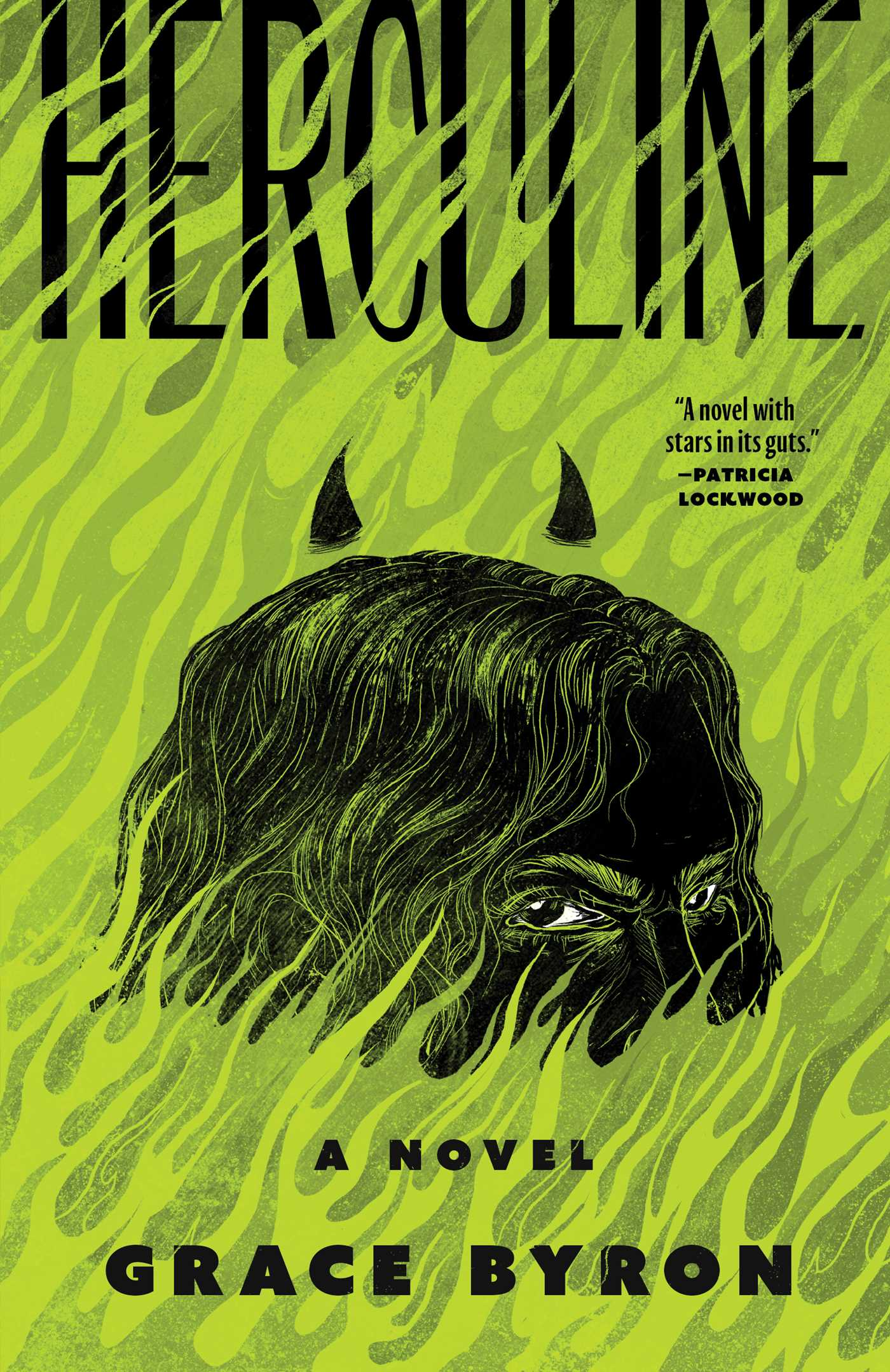
I haven’t read much this year with everything else going on in the last 12 months it’s just been one of the activities I’ve let slide. So, in hopes of kick starting something in 2026, I jumped back on audible and decided to check out something a little different, some trans horror. Seeing some positive reviews on social media, I decided to start with Herculine by Grace Byron and have not been disappointed. It both represents varied elements of trans experience while being an exciting read centred on the supernatural.

An Overview
Trying not to give too much away the novel follows an unnamed narrator struggling to compete in New York with all the other “hot freelance girls”. Far from the success she dreams of as a writer she finds herself quickly out of work and single. This would be bad enough except her sleep is plagued by demons that have started to haunt her waking hours. Reaching breaking point, she finds herself wishing for a new start and something other than the hectic New York scene. So, she finds herself on her way home to Indiana to join her ex-girlfriend Ash’s trans utopia, a place where girls and live together and be protected from the outside world. Her hopes of finding a new beginning and the perfect life with Ash quickly start to fall apart as something sinister lurks behind the commune as the cost of paradise might just be too much.
Not for the overly precious
Stylistic Byron’s debut novel is not going to be for everyone as her writing is blunt and explicit. Written in first person the narrator has a distinct voice regularly referencing sex and drug as she battles her way through life in New York. It is refreshing and authentically queer in a way that will make many readers uncomfortable. Her descriptions of sexual encounters are vivid and filled with complex power dynamics. However, this is not some gratuitous use of explicit content but rather serves to highlight the narrators insecurity about her body and perception that she is unworthy of love. At other times, this approach also serves to highlight the sexualisation of transwomen in a society that seems obsessed with trans porn. The character of Ryan, the narrators ex-boyfriend, seems contrived completely for this purpose and as one of the only cis characters in the novel it is a very deliberately inclusion. The novel also doesn’t ease into this confronting style at all, so it will hit you from page 1.
Amongst the bluntness, expletives, and explicit depictions, there is plenty more about Byron’s writing. Throughout the novel, she demonstrates a great turn of phrase with some fantastic one-liners, which are poignant and memorial often in a dark sort of way. She also demonstrates a real strength for descriptive writing, which becomes more pronounced as our unnamed narrator reaches the commune. This especially enhances the horror of specific moments but also serves to emphasise the juxtaposition between the serene surroundings and the chaos. These elements may take a little longer to appreciate but really highlight Byron’s skill to blend different elements of writing craft.
Representing trans trauma
Nearly all of the characters in Byron’s novel are trans women, whether it is the narrator’s freelance friends in New York or the girls at the commune. This allows her to represent different elements of trans experience like dysphoria, trauma, competition and doubt. In New York, this includes things like public expectation and struggles like the common self-critical comparisons we often find ourselves making in such a competitive environment. The narrator demonstrates that these comparisons can quickly feed into personal feelings of inadequacy, loneliness and failure. This serves to deepen her struggles with her own trauma from conversion therapy that have left her with significant self-loathing and internalise transphobia.
Later in the novel as the narrator arrives at Herculine the issues shift to be more internalised and focused on historical trauma. The impact of conversion therapy and religious up bringing become more pronounced, in part due to many of the girls sharing similar experiences. However, as the narrator learns more about the those living at Herculine a much broader range of experiences are revealed including abuse, abandonment and loss. Sadly, these stories will be relatable to many trans readers especially those from the American Midwest or other religious communities. Additional our narrators’ experiences at Herculine focus more on gender dysphoria and gender affirming care including her own inability to save for bottom surgery as these struggles start to increasingly relate to the plot and the secrets behind the commune.
The scope of experience represented in the novel means that trans readers like myself find elements of our own stories and insecurities represented in the characters to some degree. Yet part of the novel’s horror comes from these traumatic experiences as it often depicts the evil of mankind and the psychological damage that it causes. It is after all revealed that this trauma makes way for the supernatural horror present in the novel as damaged souls become easy prey for the demons in Byron’s novel. The fact that it serves a purpose for the plot is a really important element for me as it makes the novel more cohesive.
Challenging Relationship dynamics
The other key element of Bryon’s novel is the complexity and often toxic nature of relationships. The power Ash has over the narrator through promises of a life together and memories of their past in college is introduced from the start as an questionable relationship. That the narrator is almost in Ash’s thrall and is being feed a romanticised view of what they could have Herculine is a concern for her New York friends and is a red flag for the reader from the start. As the novel develops the extent of the power imbalance, Ash’s manipulation of the narrator and possessiveness become increasingly apparent. Meanwhile the narrators own lack of self-esteem and desire for a meaningful relationship with Ash keep her in this situation for far too long. It is the central relationship to the novel however Bryon doesn’t let it dominate the novel as the circumstance of the commune and the presence of the other girls means it is heavily impacted by other desires and jealousy.
Final thoughts on Herculine
As my introduction to trans horror, I really enjoyed Herculine, it was refreshingly queer, colourful and well written. It built at a good pace and was heavily character driven despite the external supernatural threat. It had moments that were relatable as part of normal trans experience and left me horrified at the thought of some of the things trans girls may experience. Most importantly it sucked me in and I wanted to keep reading to find out what was going to happen next which is the sign of any good book. Considering this is just her first novel I really can’t wait to see what Grace Byron comes up with next.