





In Australia the first Sunday of September is Father’s Day, the moment to shower dad with bunnings gift cards and fun day out. However for parent’s in the LGBTQIA+ community this is a bit more complicated with same sex couples as are the labels our children use on a daily basis. In some cases this may all be worked out before hand and part of that decision process to have a couples first child but it becomes a bit more complicated when you are transitioning with a child. In these cases Labels and days can become increasingly important to everyone in the family and realistically I feel their is no right answer. Everyone’s solution is going to be different based on the relationships their trying to maintain, the age of the their children and of course our individual sense of our identity as a parent. So this is more of a perspective based on my journey rather then any firm advice to follow.
Parent labels and identity
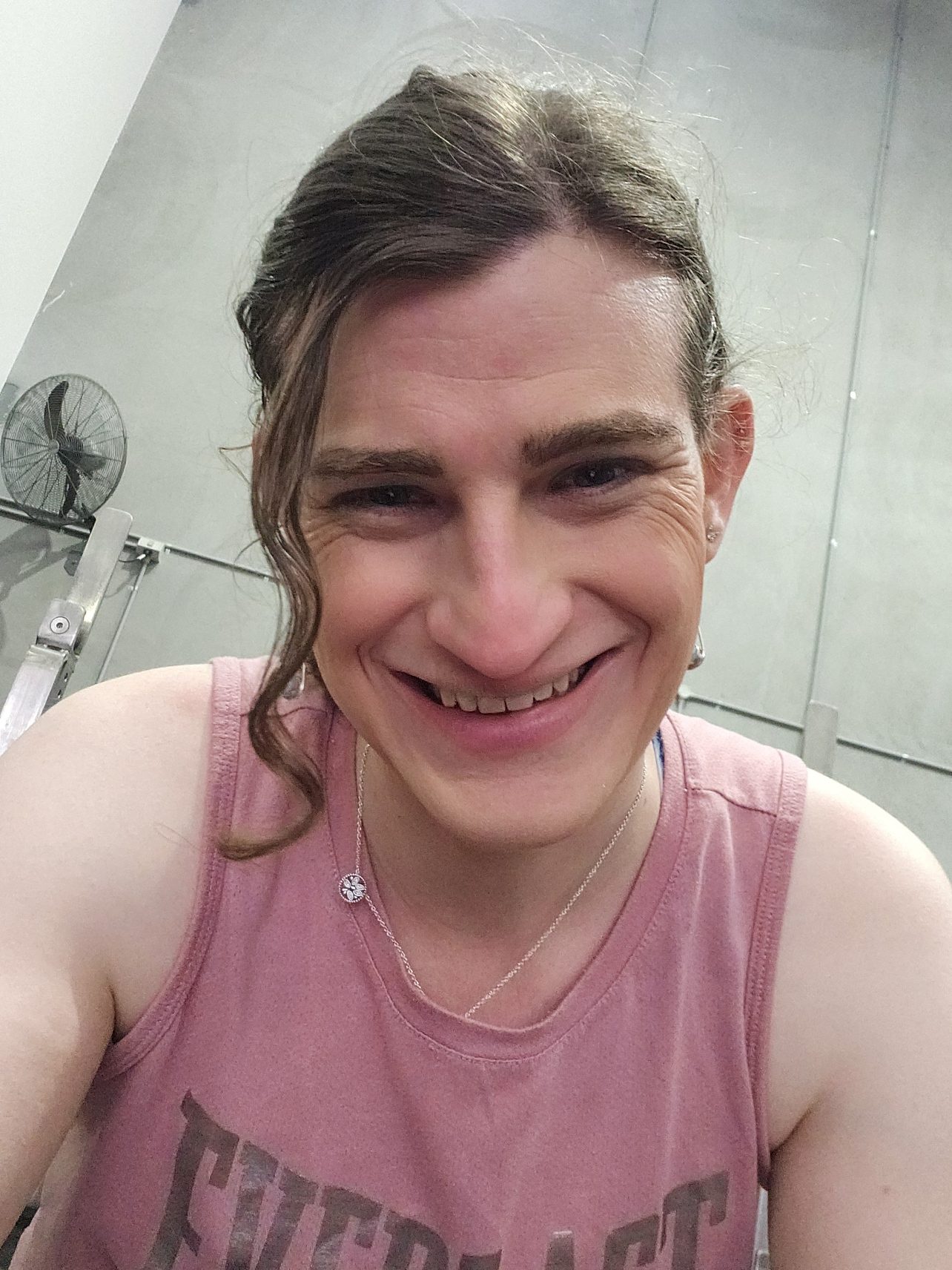
Like a name, labels and titles become pivotal to an individuals identity and can come to define us to some degree. So it is unsurprising that coming out and changing our gender identity naturally makes us rethink how we are perceived as a parent. In my case as a transwoman the gut reaction is to identify as Mum or some other variation like Mumma, after all these are heavily gendered terms and it is validating to be cast in the female role. Yet, as much it might have been nice when I came out to adopt a new label it had implications for my wife and the validation of her identity which she made clear from day one. After everything I was already putting her through this and the idea that I wanted to find and express my own identity I felt like it wasn’t fair to force the issue.
However, it got me thinking at the time about what the label of being a father really meant to me and it has never been as simple as being a male identifying parent. It wasn’t even the idea of a non birthing parent which is a more modern perspective but rather the type of relationship that the label suggests. A parent that is a provider, a constant source of strength, a fun trouble making compatriot, a teacher and someone that can be firm when needed. Regardless of my gender, these traits have continued to define me and the relationship I have with my son almost perfectly and the only thing that has perhaps changed is my willingness to show my affection more openly. So while I may still have the occasional moment of doubt for the most part I remain fairly happy to remain Dad, after all regardless of my gender it still identifies our connection and my role in his life.

Being a parent is matter of public business
Those doubts generally stem from the social awkwardness and fear of being outed as transgender in public. Since starting HRT this has probably become a bit more pronounced as in most situations with out more thorough examination I tend to pass. That is of course until my son yells out DAAAADDDD at the top of lungs. It means that I have experiences a few secondary glances and have definitely imagined a whole lot more as well as the possible thought process going on behind the imagine I rolls. Now by this stage of my transition and after coming out a high school I’m fairly good at shrugging of disapproving looks on most occasions but it is never comfortable feeling judged in that way and I would hate for my son to feel that way as he get older.
In a progressive environment like Melbourne looks are for the most part the most all get (at least so far anyway) but I know if we were living elsewhere with all the anti trans rhetoric I would be working on establishing a different label for public places. It is a sad reality that I know many trans parents around the world in so called ‘free’ countries do this for safety. It is a pretty sad indictment on society when a label a child has for on of their parents could spark a potential altercation from a complete stranger. Thankfully, this is something I haven’t felt the need to really consider.
Maybe we should let the kids decide
A pretty important consideration here for me was my son’s comfort and perspective as well. Afterall, coming out to him at the age of five meant he already had a connection with me that fit that fatherly mould but he also doesn’t have the maturity to really consider the implications of calling me Dad out in public. It meant that I gave him control both in terms of the labels but also even my pronouns. At times that’s been hard and I have regretted it more than once but as he has gradually changed and started using she/her I can see this as a sign of his growing acceptance which means more then if I tried to force a change. That being said if I had come out when he was a bit younger and he wasn’t speaking my approach would have been a lot different.
As it stands the label is clearly very important to him and he does get upset when people miss identify me as mum. It is something I have really learned to appreciate as what annoys him is that it discounts or misrepresents the relationship we have and he feels like he has lost a father as a result. It is perhaps a sentiment that I wished more people shared as although I am different I am still here and change doesn’t represent lose unless we perceive things in that way. However, change does potential represent evolution and definitely that is something I am seeing with my son as he has started using ‘Ms Daddy’ a little at home which is making me smile. Perhaps a 5 year old can be far wiser on these things then we can by just saying the truth.
Final thought
Regardless of the terms we go by whether they are the traditional labels or something new like ‘Maddy’ the important thing is that it can sit comfortably with our identity and be right for our family. Maybe one day it will be less of concern especially in the social setting and perhaps even we can ditch the gendered element completely but that seems like a dream. Until then I’m going to enjoy spending time with my son on Father’s day and manage the rest the best way I know how.

Leave a Reply